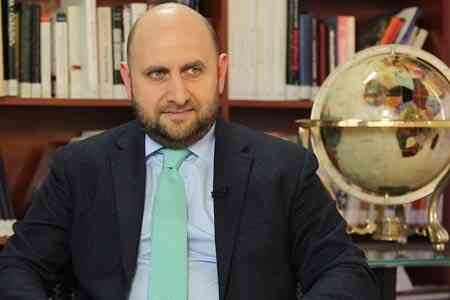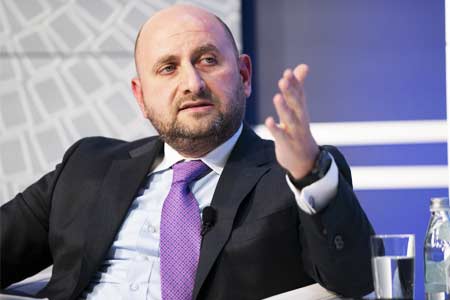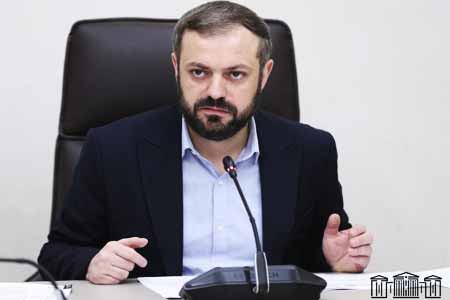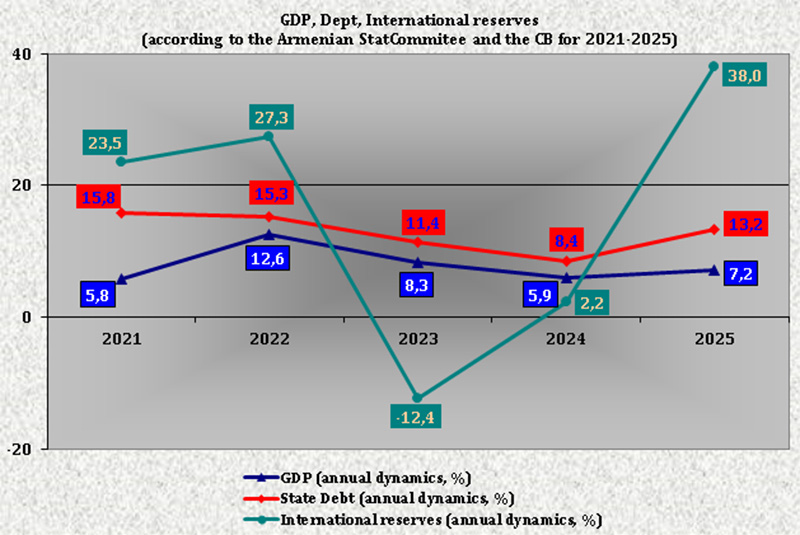


ArmInfo. In Armenia, public debt per capita has reached $4,700, compared to $4,200 last year. Debt is growing in an economy where the industrial base is gradually eroding and demographic dynamics are weakening. This is what political scientist and Doctor of Political Science Vahe Davtyan writes.
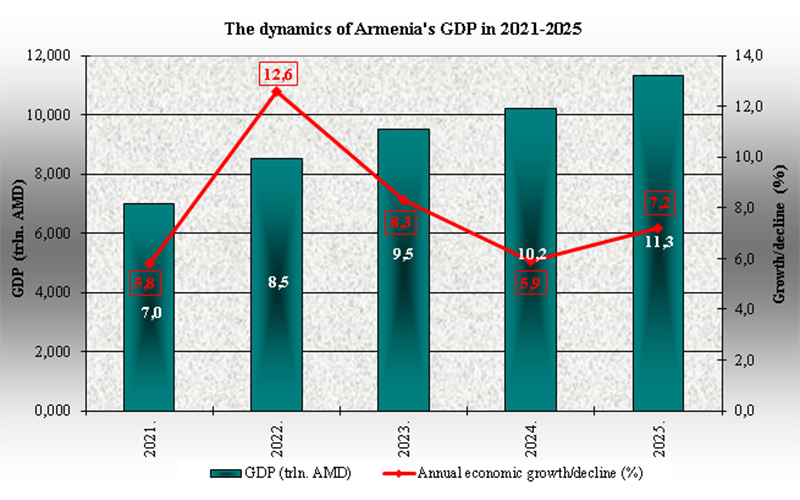
According to him, the key problem is that debt is not being translated into economic results. "There are no qualitative economic changes. There is no growth in productivity, no development of industries that create added value. You don't have to look far; just look at the economic statistics for recent years," the political scientist noted, asking where this money is going.
Mostly, Vahe Davtyan continued, it's being spent on capital expenditures, the results of which are obvious: asphalt crumbles before our eyes every day, we see rapidly deteriorating infrastructure, and ostentatious and unviable projects.
"This is simply a waste of resources without a return. As a result, debt becomes not a development resource, but a political tool for covering budget deficits, fulfilling the state's social function, and demonstrating short-term [results]," the political scientist believes. "Yes, the debt-to-GDP ratio has not yet exceeded the red line of 47.3%, with the target being 50%. But this is just the tip of the iceberg. A real risk is looming: the debt burden is being shifted onto businesses, households, and future taxpayers without a corresponding economic return. The longer this pattern continues, the higher the cost of its consequences will be," the expert stated.
As a reminder, as of early 2026, Armenia's public debt continues to grow, exceeding $14 billion. According to forecasts for 2026, government debt is expected to reach 52.9% of GDP (approximately 6.3 trillion drams), and the cost of servicing it will constitute a significant portion of the budget - approximately 1.05 trillion drams.