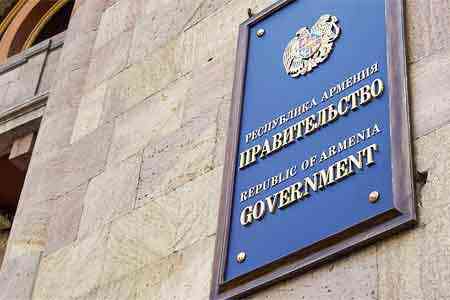


ArmInfo. At its April 18 meeting, the Armenian government approved a program to support the purchase of fertilizers in the Republic.
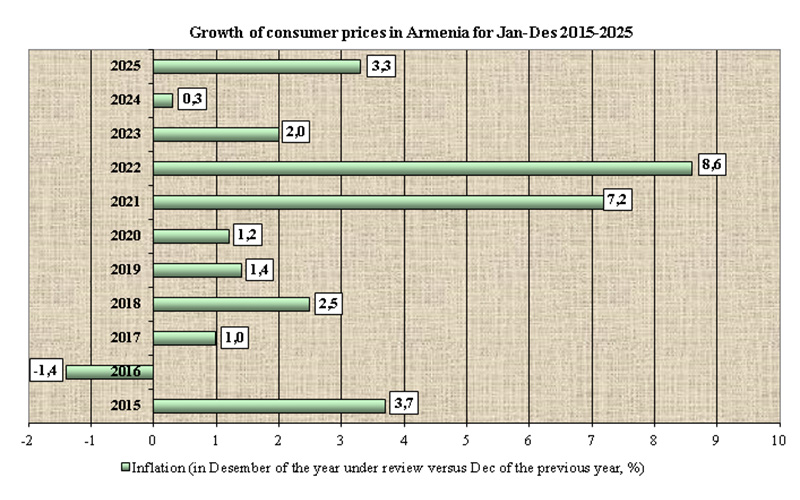
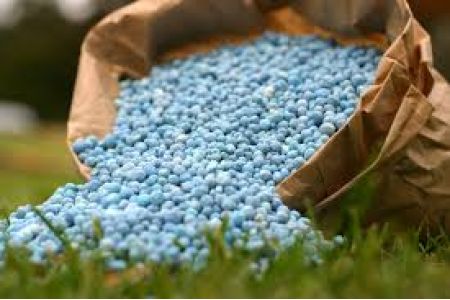
According to the Cabinet of Ministers, the program is designed to assist agricultural entrepreneurs in purchasing fertilizers at affordable prices below market prices amid inflation. The purpose of the regulation is to ensure sufficient conditions for entrepreneurs in the crop production sector to operate, specifically to enable landowners to purchase fertilizers at below-market prices amid inflation. The program will be implemented in 2026. Fertilizers will be provided to each beneficiary for cultivating a maximum of 30 hectares of land. It is proposed to subsidize the cost of fertilizers sold to beneficiaries by suppliers in the amount of the difference between the selling price of one 50 kg bag of fertilizer and 8,000 drams, but not more than 3,000 drams per 50 kg bag. As part of the program, regional municipality officials will conduct a sample monitoring of the documents of at least 20 percent of beneficiaries. Following this decision, budget expenditures for 2026 will amount to approximately 900 million drams. As a result of the program, agricultural entrepreneurs will be able to purchase fertilizers at below-market prices, fertilize cropland, and, with the use of standardized fertilizer doses, increase crop yields and soil fertility.
Armenian Prime Minister Nikol Pashinyan noted that the price increase is due to the situation in the Middle East. In this context, he emphasized the need to ensure continuous market monitoring to control inflation risks. "I believe it's crucial that we monitor the market properly because, unfortunately, sometimes we see signs of crises, and inflation is recorded, but when the crises resolve, prices don't readily return to their previous levels. In this regard, I believe the Competition and Consumer Protection Commission should be responsible for monitoring," Pashinyan added.
Gegham Gevorgyan, Chairman of the Competition and Consumer Protection Commission of Armenia, reported that monitoring was conducted in advance, and data, specifically on fertilizers, was submitted to the Ministry of Economy. "We constantly monitor not only the fertilizer market, but also the diesel and gasoline markets. At the moment, it can be said that price increases in the Republic of Armenia are economically consistent. If we look at European countries, diesel and gasoline prices have also increased significantly. And I hope that the resolution of the Strait of Hormuz issue will be swift, and that price dynamics will have the opposite effect," Gevorgyan said.