

ArmInfo. The Eurasian Economic Union (EAEU) is based on four basic principles: free movement of goods, services, labor, and finance. If there is no free flow, then there is no EAEU.
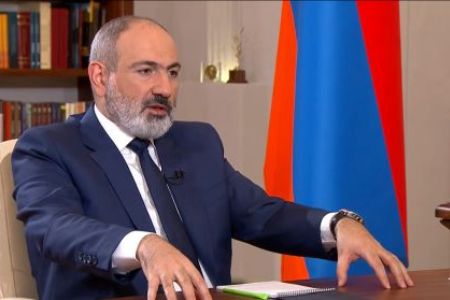
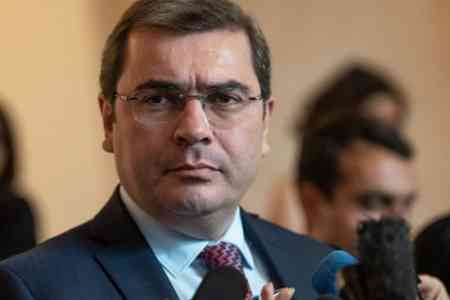
Armenian Prime Minister Nikol Pashinyan expressed this opinion to journalists during a briefing on June 25.
"The problem may exist for one, two, or three months, but if the fourth month goes by and the problem is still unresolved, then there is no EAEU. If the EAEU says there is no EAEU, then what should we do? If not, then there isn't," the Prime Minister said.
At the same time, he expressed confidence that other Union countries are also concerned about what is happening to Armenia, as they understand that something similar could happen to them.
"If we don't resolve the situation quickly now, the collapse of the EAEU is inevitable. This isn't about Armenia. We didn't set ourselves the goal of leaving the EAEU, but if these issues aren't resolved, the collapse of the EAEU will become inevitable," Pashinyan reiterated.
At the same time, he noted that these problems haven't had a significant impact on the economy, as economic activity in Armenia demonstrated 8% growth from January to May, and 11% in May alone.
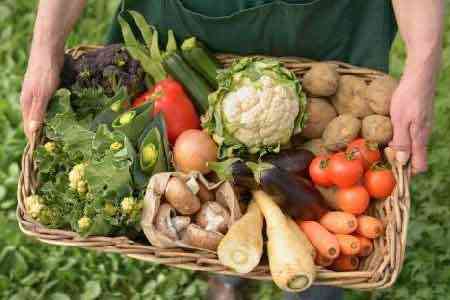
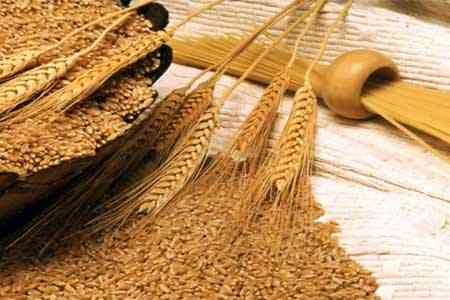
As a reminder, the Russian authorized agencies-Rospotrebnadzor and Rosselkhoznadzor-imposed restrictions on the export of agricultural products and flowers from Armenia to EAEU markets. The agencies' official statements cited the violations as the reason. Meanwhile, Armenia traditionally exported approximately 90% of its fresh agricultural produce to the Russian market.
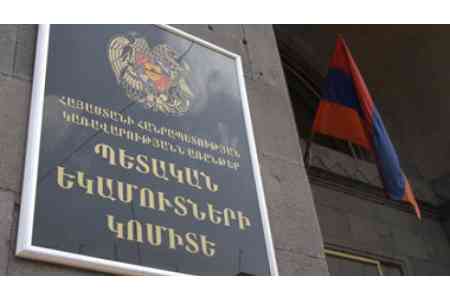
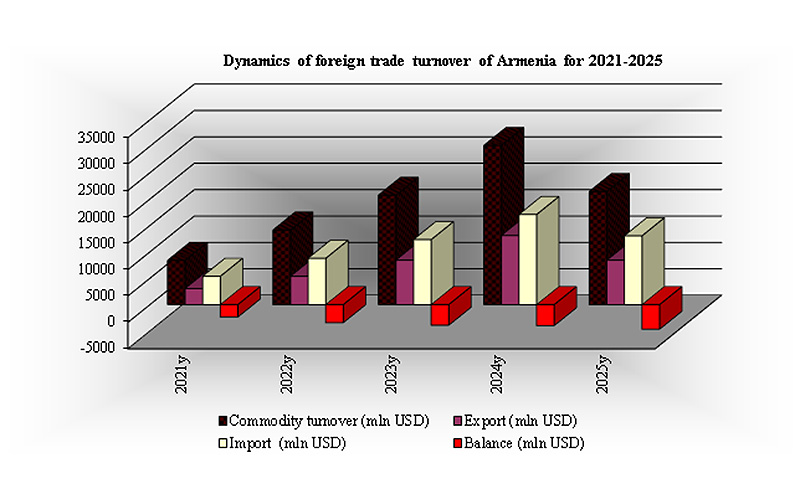
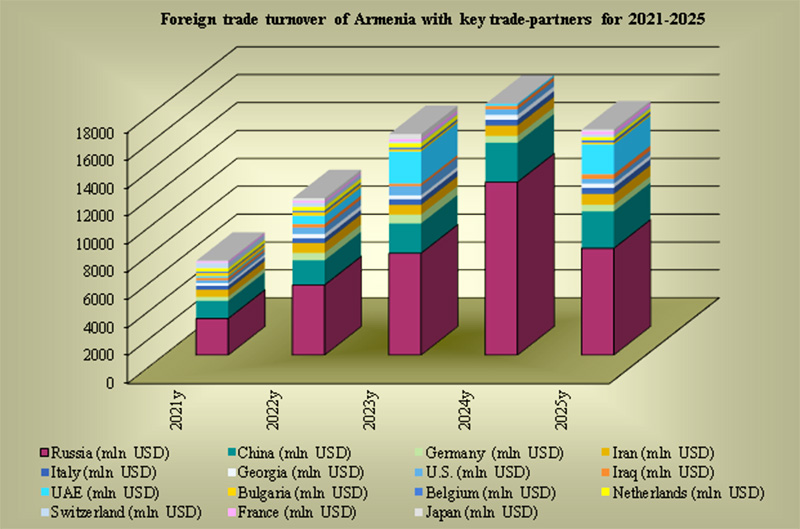
According to the RA Statistics Committee, foreign trade turnover between Armenia and the EAEU in January-April 2026 decreased by 19.2%, amounting to $1.881 billion. At the same time, exports decreased by 4.7% to $911.6 million, against the backdrop of a 29.3% decline in imports to $970.1 million.